Gear Up: A Beginner's Guide to Vehicle-Based Camping Accessories
Vehicle-based camping transforms your car, SUV, or truck into a mobile basecamp. While a roof tent or sleeping bag gets you sheltered, the right accessories dictate how comfortable, organized, and adaptable your campsite will be. This guide breaks down five foundational categories-racks, awnings, annexes, storage systems, and lighting-to help beginners understand what’s possible, what’s practical, and how to build a setup that grows with your experience.
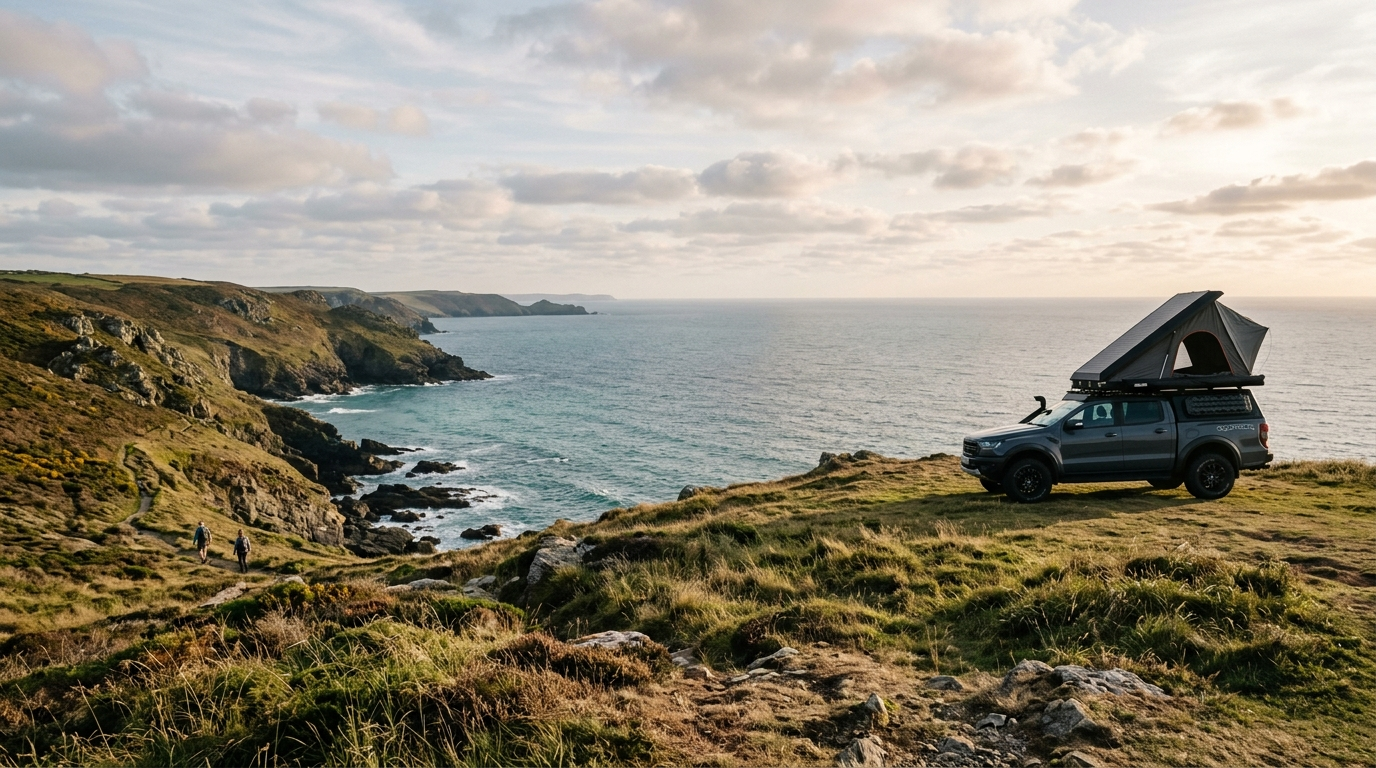
1. Racks & Roof Frameworks: The Foundation
Roof racks are the structural backbone of most overland and car-camping setups. They don’t just carry gear; they distribute weight, provide mounting points for awnings, and determine what your vehicle can safely haul.
Understanding Load Ratings
Before attaching anything heavy to your roof, you must understand two critical metrics:
- Dynamic Load Capacity: The maximum weight your roof/racks can safely support while driving. Typically ranges between 75 lbs (35kg) and 165 lbs (75 kg) for most passenger vehicles. Check your vehicle’s manual to know the dynamic load capacity.
- Static Load Capacity: The weight your roof can hold when parked. Often 3-4 times higher than dynamic limits, making roof tents viable for overnight stays.
Roof Tent Compatibility Checklist
If you plan to mount a roof tent, verify these seven factors before purchasing:
- Tent weight vs. dynamic load: Ensure the tent’s mass stays within your vehicle’s driving weight limit.
- Folded dimensions: Measure length, width, and height to avoid trunk interference, roof overhang, or garage clearance issues.
- Unfolded sleeping area: Check interior footprint and mattress thickness for comfort.
- Sleep capacity: Manufacturers rate tents for “adults”, but realistic comfort drops significantly past 2 people.
- Minimum roof bar weight rating: Crossbars must individually support a percentage of the total load (usually specified by the tent maker).
- Bar spacing requirements: Most tents require crossbars spaced between 16 and 32 inches (40 and 80 centimeters) apart for secure mounting.
- Bar orientation: Confirm whether your tent mounts to crossbars (perpendicular to vehicle) or longitudinal rails (parallel to vehicle). Most tents mounts to crossbars.
🔧 Pro Tip: Rack Types & Mounting Considerations
- Factory Rails + Aftermarket Crossbars: Cost-effective, aerodynamic, but limited in accessory mounting.
- Full Platform Racks: Provide a flat mounting surface with integrated T-slots. Ideal for awnings, Hi-Lift jacks, and multiple tents.
- Mount Clearance: Always check roof curvature, antennas, and sunroof operation before installing a full rack.
- Weight Distribution: Keep heavy items low and centered. Front-heavy racks increase wind drag and reduce steering responsiveness.
2. Awnings: Instant Shade & Weather Protection
Awnings extend your camp’s usable footprint without requiring ground stakes or complex poles. They mount directly to roof racks or vehicle side tracks.
Common Awning Styles
| Style | Coverage Angle | Setup Time | Best For |
|---|---|---|---|
| Side-Mount (Single) | 90°-120° | 2-4 min | Quick lunches, sun protection, small groups |
| Batwing | 270° | 5-8 min | All-around coverage, wind resistance, rainy camps |
| Freestanding/Truck Bed | Variable | 10-15 min | Pickup trucks, tailgating, flexible positioning |
Key Considerations
- Wind Resistance: Awnings act as sails. Always use guy lines and storm straps in breezy conditions.
- Clearance: Measure door/trunk swing radius. Awnings mounted too far forward can block rear access.
- Weight: Quality awnings range from 25-50 lbs (11-22 kg). Factor this into your dynamic load budget.
3. Annexes: Enclosed Camp Rooms
An annex is a fabric enclosure that zips or clips onto an awning or tent, turning an open shelter into a bug-proof, weather-resistant room.
Practical Uses
- Changing/Privacy Room: Essential for mixed-group trips or urban-adjacent wild camping.
- Kitchen/Lounge Space: Keeps cooking gear dry and creates a windbreak for stoves.
- Gear Storage: Protects packs, coolers, and footwear from rain, dust, or curious wildlife.
What to Look For
- Attachment System: Universal strap systems work with most awnings; proprietary clips offer faster, more secure attachment.
- Floor Options: Built-in floors add insulation but complicate packing. Floorless designs pair well with tarps or vehicle flooring.
- Ventilation: Mesh windows and roof vents prevent condensation buildup during humid nights.
4. Storage Systems: Organization Meets Accessibility
Vehicle camping quickly becomes a puzzle of volume management. Effective storage keeps gear secure, accessible, and weight-balanced.
Interior Solutions
- Drawer Systems: Slide-out trays (often mounted in trunks or truck beds) allow you to access heavy items without digging.
- MOLLE Panels & Cargo Nets: Keep soft goods, recovery gear, and tools secured to walls or seatbacks.
- Weatherproof Bins: Stackable, gasketed containers protect food, electronics, and clothing from dust and spills.
Exterior Solutions
- Roof Cargo Bags/Boxes: Add 10-20 ft (300-600 cm) of storage for seasonal or bulky items. Choose aerodynamic, hard-shell designs for highway efficiency.
- Hitch Carriers: Ideal for firewood, camp chairs, or muddy gear. Keep weight under 200 lbs (90 kg) to protect suspension.
- Tent-Footprint Storage: Many roof tents include under-tent mesh pockets for small tools or shoes.
5. Lighting: Function, Safety & Atmosphere
Good lighting transforms a dark campsite into a functional, safe, and inviting space. Modern vehicle campers have moved far beyond basic flashlights.
Lighting Categories
| Type | Use Case | Power Source | Mounting |
|---|---|---|---|
| Camp Lanterns | General ambient lighting | Rechargeable, solar, propane | Tent/awn hooks, ground stand |
| LED Strip Lights | Task lighting, interior cabin, awning undersides | 12V vehicle, portable battery | Magnetic, adhesive, zip-tie |
| Work/Magnetic Lights | Cooking, mechanical repairs, recovery | Rechargeable, hardwired | Hood, rack, tent poles |
| String/Fairy Lights | Mood lighting, navigation pathways | Solar, battery | Trees, rack edges, annex frames |
Power & Placement Tips
- Lumens vs. Runtime: Higher brightness drains batteries faster. Aim for 300-800 lumens for task areas, 50-150 lumens for ambient zones.
- Color Temperature: 2700-3000 K (warm white) preserves night vision and reduces light pollution. Avoid 5000+ K unless performing precision work.
- Leave No Trace Lighting: Point lights downward, use covers/diffusers, and turn off lights by late evening to respect nocturnal wildlife and neighboring campers.
📐 Beginner’s Setup Roadmap
If you’re just starting out, avoid buying everything at once. Follow this phased approach:
| Phase | Priority Purchases | Estimated Weight Impact | When to Upgrade |
|---|---|---|---|
| 1. Essentials | Crossbars, basic storage bins, LED lantern | Minimal | After first 5-8 trips |
| 2. Shelter Expansion | Roof tent (verify 7 compatibility points), side awning | 60-120 lbs (25-50 kg) dynamic | When you consistently exceed vehicle interior sleep space |
| 3. Camp Refinement | Annex, drawer system, under-awning lighting, power station | Moderate to High | When you camp in variable weather or stay 2+ nights |
| 4. Advanced | Full platform rack, 270° awning, hard-mounted wiring, modular kitchen | Heavy | When your trips become multi-day or remote |
🔑 Final Thoughts for New Campers
- Start Light: Overloading your roof impacts fuel economy, handling, and insurance coverage. Weigh every addition.
- Verify Clearances: Measure twice, mount once. Trunk hoods, antennas, and roof curves cause expensive mistakes.
- Test Before You Trek: Pitch awnings, annexes, and storage layouts in your driveway. Rain or wind at a remote site is no time for trial-and-error.
- Build Around Your Vehicle: Your car’s limits dictate your camp setup, not the other way around. Respect dynamic loads, bar spacing, and manufacturer guidelines.
- Leave Nature Better: Use low-impact anchoring, minimize light spill, and pack out all waste.
Vehicle-based camping is as much about preparation as it is about exploration. With thoughtful racks, reliable awnings, functional annexes, smart storage, and reliable lighting, your car becomes more than transportation—it becomes a home wherever the road ends.
🌲 Hit the trail safely, pack thoughtfully, and let the campsite be your compass.